High-End Stamped Patios in Denver
Reasons to Hire a Professional Concrete Contractor for Your Next Project
When evaluating a concrete project, the selection between DIY and hiring a professional can greatly impact the outcome. Many undervalue the complexities involved in concrete work. From maintaining proper mixing to following safety standards, the risks of a poorly executed job can be substantial. Understanding the value of enlisting a professional contractor could reveal advantages that extend beyond initial costs. The next steps might just demonstrate why professionalism is vital to successful concrete projects.
Why DIY Concrete Projects Can Be Risky
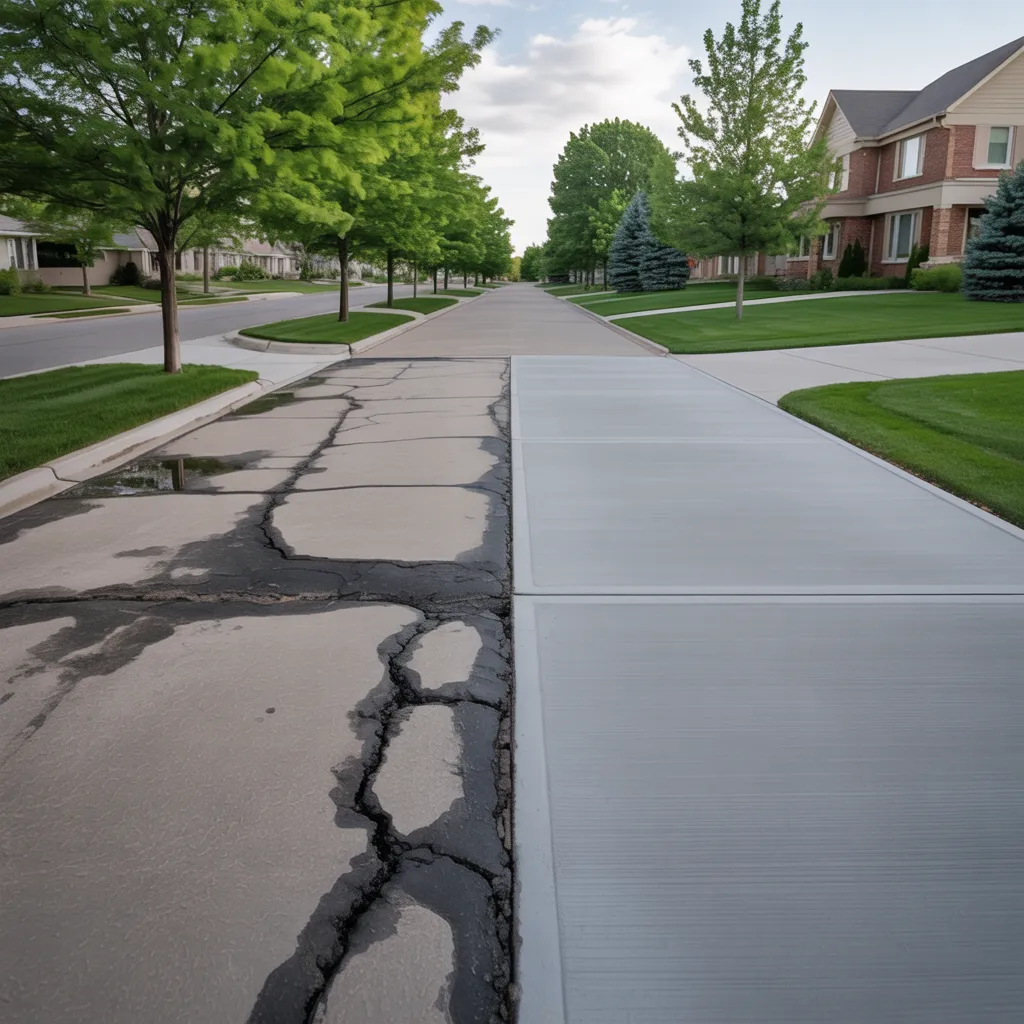
Whilst the appeal of saving money on house improvement projects can be appealing, DIY concrete work typically includes significant risks. Many homeowners underestimate the complexity associated with mixing, pouring, and finishing concrete. Inaccurate measurements or substandard preparation can lead to uneven surfaces, cracks, and structural issues that may need expensive repairs. Furthermore, the physical demands of the job can present safety hazards, causing potential injuries from heavy lifting or improper equipment use. Environmental factors, such as temperature and humidity, also play a vital role in the curing process, which a novice may not adequately account for. Also, lacking the right tools and materials can jeopardize the overall quality of see now the project. Finally, these risks emphasize the importance of considering professional help to guarantee a durable and aesthetically pleasing concrete installation. The consequences of a poorly executed DIY project can far outweigh any initial savings.
Skill and Experience: Why This Is Critical
Expertise and experience are critical when hiring a professional concrete contractor. Their industry knowledge and advanced techniques enable them to tackle complex projects efficiently while upholding safety compliance standards. Additionally, seasoned contractors possess strong problem-solving abilities, helping them to address challenges that may develop during the construction process.
Professional Knowledge and Methodologies
A concrete contractor's expertise and methods are vital for maintaining the durability and quality of any construction project. Their expertise encompasses a comprehensive grasp of various concrete mixes, curing methods, and the best practices for different environmental conditions. This knowledge allows them to pick the right materials and techniques tailored to specific project requirements, minimizing risks associated with improper installation. Additionally, seasoned contractors are familiar with local building codes and regulations, ensuring compliance and avoiding costly fines. Their experience equips them with the ability to anticipate potential challenges and implement effective solutions proactively. In summary, hiring a professional concrete contractor translates to a project executed with precision, leading to a robust and long-lasting structure.
Skills in Problem-Solving
Problem-solving skills are an essential aspect of a professional concrete contractor's expertise, directly shaping the success of a project. These contractors encounter various challenges, from unexpected weather conditions to design discrepancies. Their ability to analyze problems swiftly allows them to devise effective solutions, ensuring that projects remain on schedule and within budget. With years of experience, professional contractors can draw upon a wealth of knowledge to address issues resourcefully and productively. This adaptability not only decreases delays but also improves the quality of the final product. In addition, their familiarity with industry standards and best practices equips them to anticipate potential complications, decreasing risks associated with concrete work. In the end, strong problem-solving skills offer meaningfully to the overall success of any concrete project.
Safety Regulatory Standards
Safety compliance standards play an essential role in the concrete industry, guaranteeing that projects are executed without compromising the welfare of workers and the surrounding environment. Professional concrete contractors hold the expertise and experience required to navigate these complex regulations. They are proficient in local, state, and federal safety requirements, which lessens the risk of accidents and potential legal consequences. By hiring a professional, clients can be assured that the contractor will implement appropriate safety equipment, implement proper site management practices, and conduct regular safety training for workers. This commitment to compliance not only safeguards personnel but also boosts the project's overall quality and efficiency. In the end, focusing on safety standards is a critical aspect of successful concrete construction.
How Quality Tools Enhance Project Outcomes
Professional-grade tools play a crucial role in determining the success of concrete projects. When contractors work with premium equipment, they ensure precision in measurements and finishes, which directly influences the durability and aesthetics of the final product. Tools such as power mixers, trowels, and vibrating screeds are engineered to improve efficiency and effectiveness, providing smoother surfaces and more consistent mixes.
Additionally, quality tools reduce the possibility of errors during the concrete pouring and curing operations. This minimizes the risk of costly repairs and reworks, consequently saving time and resources. Professional concrete contractors utilize advanced machinery that can accommodate various project demands, assuring excellent results regardless of the complexities involved. In addition, well-maintained tools enhance safety on-site, as they are less likely to malfunction. To summarize, the use of quality tools considerably raises the standard of concrete work, leading to superior project outcomes and client satisfaction.
How Experts Finish Concrete Work More Quickly
Expert concrete professionals optimize project schedules via strategic planning and implementation. Their knowledge enables them to assess project needs precisely, making certain that all essential materials and resources are prepared before commencing work. This proactive approach minimizes delays caused by unforeseen circumstances.
Furthermore, seasoned contractors possess the abilities to coordinate labor productively. They comprehend how to distribute tasks among team members, enhancing workflow to decrease downtime. With experience in different concrete applications, these professionals can expect challenges and execute solutions promptly, further accelerating project completion.
Furthermore, professional contractors are knowledgeable about the latest industry approaches and technologies, which can increase efficiency. Their ability to navigate local regulations and permit processes also prevents potential setbacks. By leveraging their knowledge and resources, concrete contractors consistently deliver projects on time, allowing clients to utilize their completed spaces without unnecessary waiting periods. Ultimately, their efficiency is a significant reason to think about hiring a professional for concrete projects.
How Expert Work Delivers Long-Term Durability
When considering the long-term durability of concrete structures, the expertise of skilled contractors plays a crucial role. Professional concrete contractors bring thorough knowledge of materials, techniques, and industry standards that are crucial for guaranteeing robust construction. Their experience helps them select the right mix and quality of concrete, customized to specific environmental conditions, which considerably enhances durability.
Additionally, professional contractors are skilled in implementing proper curing procedures, decreasing the risk of cracking and deterioration over time. Their meticulous approach during the pouring and finishing processes also contributes to the structural integrity of the project. By employing advanced tools and techniques, they create stronger bonds and reduce water infiltration, which can result in long-term damage. Investing in a professional concrete contractor not only ensures that the project meets high standards but also provides peace of mind concerning the lifespan and performance of the structure.
How Professional Concrete Contractors Achieve Compliance With Local Regulations
Expert concrete contractors possess an in-depth understanding of local building codes and regulations, making certain that all projects satisfy legal requirements. They also deliver assistance in securing necessary permits, simplifying the process for clients. Furthermore, these contractors comply with safety standards, ensuring the safety of both workers and the surrounding community.
Understanding Of Local Building Codes
Maneuvering the complicated landscape of local building codes is crucial for any concrete project. Professional concrete contractors possess an thorough understanding of these regulations, ensuring that every aspect of the work adheres to legal standards. This knowledge covers zoning laws, safety requirements, and structural guidelines, which can vary significantly from one locality to another. By remaining current on the latest changes in legislation, these contractors preemptively address compliance issues, mitigating the risk of costly delays or fines. Their familiarity with local codes allows for effective project planning and execution, ultimately resulting in a smoother construction process. Working with a professional contractor not only guarantees adherence to regulations but also improves the overall quality and durability of the concrete work.
Authorization Acquisition Aid
Maneuvering through the permit acquisition process can be daunting, but professional concrete contractors deliver invaluable assistance to secure compliance with local regulations. They possess a thorough understanding of the specific permits required for various concrete projects, making certain that all needed approvals are obtained promptly. By steering through complex paperwork and local ordinances, these professionals avert delays and potential fines. Moreover, they sustain relationships with local building departments, simplifying communication and accelerating the approval process. This expertise not only conserves time but also minimizes the risk of costly mistakes that could result from non-compliance. Ultimately, hiring a professional concrete contractor confirms that projects comply with all local codes, establishing the foundation for a successful and legally compliant construction undertaking.
Compliance with Safety Standards
Maintaining compliance with safety standards is a critical responsibility for concrete contractors after the permit acquisition phase. Professional concrete contractors are well-versed in local regulations, which fluctuate by jurisdiction. They implement strict safety protocols and verify that all workers are trained in these standards. This includes correct handling of equipment, use of personal protective gear, and adherence to guidelines for material mixing and pouring. Regular site inspections are carried out to monitor compliance and address potential hazards immediately. Furthermore, contractors often partner with safety inspectors to validate that every aspect of the project meets regulatory requirements. By focusing on safety standards, professional contractors not only protect their workforce but also guarantee the longevity and stability of the concrete structures they create.
Why Hiring a Professional Saves You Money
Though numerous homeowners could initially view hiring a professional concrete contractor as an extra expense, this decision can ultimately bring about substantial cost savings. Professionals offer specialized knowledge and experience, ensuring that projects are completed correctly the first time. This lessens the risk of costly mistakes, repairs, or rework that commonly arise from DIY projects.
Moreover, established contractors have access to high-quality materials at lower rates, which can decrease overall project costs. They also possess the necessary tools and equipment, preventing the need for homeowners to invest in expensive machinery for a single-use job.
Moreover, professional contractors typically offer warranties on their work, ensuring peace of mind and financial protection against potential issues. By ensuring adherence to building codes and regulations, they aid in avoid possible fines or delays that can stem from non-compliance. In the long run, hiring a professional contractor can prove to be a sound financial decision for any concrete project.
Popular Questions
Which Types of Concrete Projects Do Professional Contractors Typically Manage?
Expert contractors commonly manage diverse concrete projects, such as foundations, driveways, patios, sidewalks, retaining walls, and decorative surfaces. They demonstrate the proficiency to ensure long-lasting results, correct installation, and adherence with local requirements for every concrete applications.
Finding a Trustworthy Concrete Contractor in My Neighborhood?
To locate a dependable concrete contractor, it's recommended to ask for recommendations from friends or family, review online reviews, confirm credentials, and request quotes from various contractors to evaluate rates and offerings before making a final decision.
What Should I Expect During a Concrete Project Consultation?
In a concrete project discussion, you can expect an copyrightination of the property, discussion of project objectives and financial plan, material choices, schedules, and detailed explanations of the workflow and likely issues.
Do Concrete Contractors Need Specific Certifications?
Indeed, individuals should search for certifications such as ACI (the American Concrete Institute) and NRMCA (the National Ready Mixed Concrete Association) among concrete contractors, as these signify professionalism, commitment to industry standards, and expertise in concrete construction projects.
What Role Does Weather Play in Concrete Installation and Curing?
Climate conditions significantly impact concrete installation and curing. Extreme temperatures, humidity, and precipitation can jeopardize the curing process, producing deteriorated structures, insufficient setting, and potential cracking, underscoring the need for strategic planning and timing.